
Patrick Brown, Executive Director, Equal Right
When Donald Trump speaks about tariffs, oil prices move. When missiles fly in the Middle East, petrol prices spike at the pumps. When fuel costs surge in the UK, lorry and taxi drivers take to the streets in protest. These are not separate crises. They are symptoms of the same fundamental problem: our world is built on fossil fuel dependence, which holds the daily cost of living hostage to the decisions of autocrats, oil executives, and market speculators.
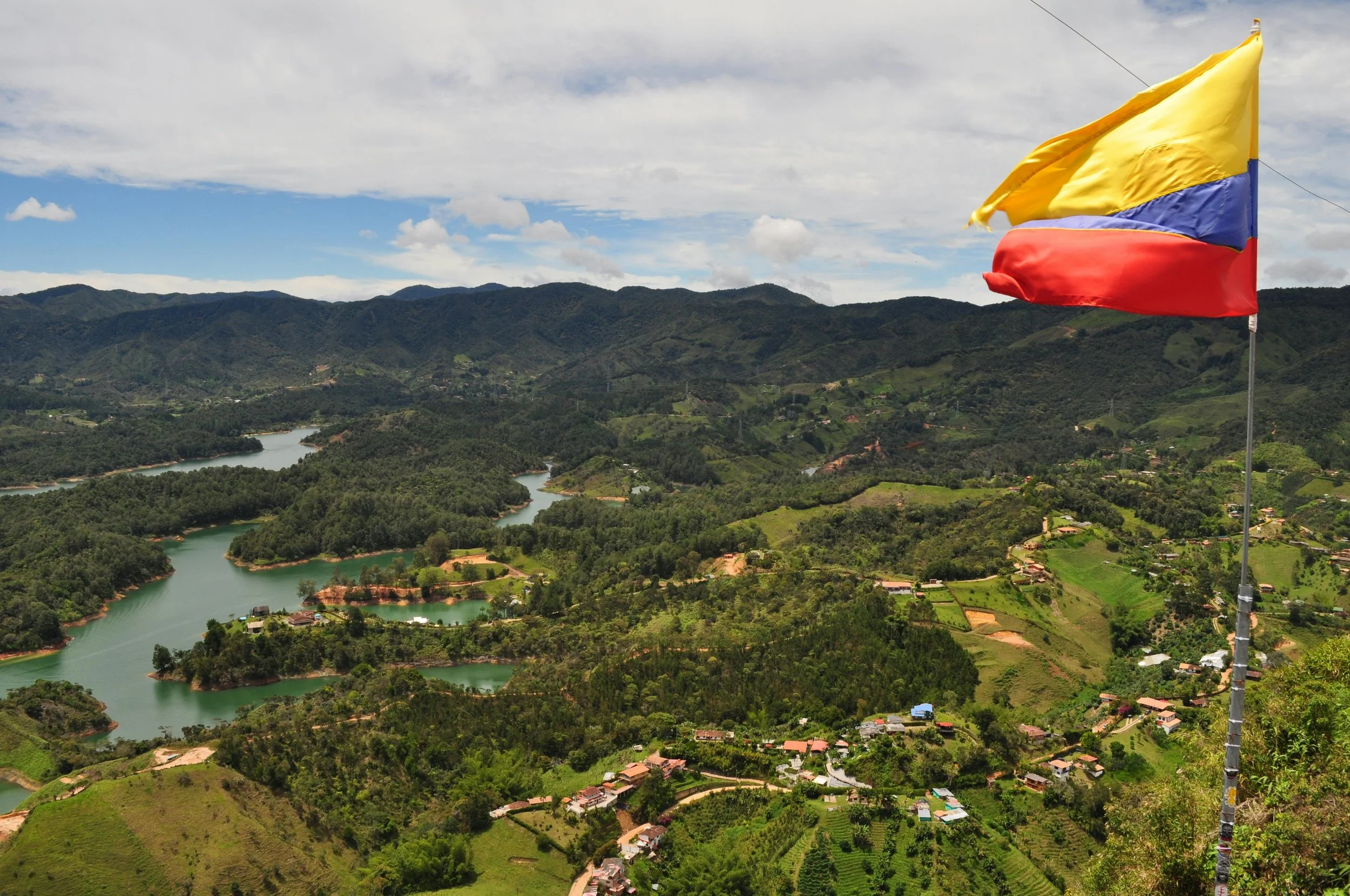
This week, in the coastal city of Santa Marta, Colombia, something important will happen.Countries from across the world will gather to chart a path away from this dependency, at a conference explicitly focused on transitioning away from fossil fuels. It is exactly the kind of bold, ambitious forum the world has been waiting for, after successive COP summits have delivered too little, too late, and too wrapped in the diplomatic language of incrementalism.
But if Santa Marta is going to be different, it needs to grapple seriously with a question that climate diplomacy has consistently avoided: who pays for the transition, and how do we make it fair and just?
Making Polluters Pay
The answer to the first part of that question is not complicated. Fossil fuel companies must pay. Not through voluntary pledges or carbon offsets, but through legally binding charges on the extraction and sale of fossil fuels, set at a level that reflects the true cost of carbon on people and the planet.
Every time Trump announces a new tariff or escalates a trade war, fossil fuel stocks surge. Every time a war breaks out in an oil-producing region, energy company profits follow. These companies (and those betting on the markets) are making windfall gains from instability and destruction, while the rest of us absorb the shocks. That has to end. A binding cap on fossil fuel extraction, combined with a progressive charge on the biggest polluters, is the only mechanism that can stop it.
Colombia knows this better than most. President Petro's government has been one of the most vocal proponents of ending new fossil fuel licences and is the largest fossil-fuel-producing country to endorse a Fossil Fuel Non-Proliferation Treaty. The country'sJourney Fund offers a practical model for how revenues from a managed phase-out of fossil fuels can be channelled back into green transition investment. Santa Marta should take that model seriously, and build on it.
But Transition Is Not Free
Here is where climate diplomacy consistently gets it wrong. Decarbonisation is necessary. But it is also disruptive. And if the people bearing the disruption are not supported, the political will to deliver it will collapse.
We have already seen this play out. In the UK, fuel price spikes driven by global market volatility have triggered real public anger. In France,the gilets jaunes movement was sparked in part by diesel taxes that hit rural workers hardest. In Nigeria,the removal of fuel subsidies caused immediate economic pain for millions who had no alternative transport options. These are not arguments against transition – but they are arguments for doing it fairly.
Ordinary people must not be made to bear the cost. And there is one policy mechanism that can genuinely deliver this at scale: a universal basic income tied to the green transition.
The Case for a Just Transition Basic Income
The principle is straightforward. If you are going to make polluters pay through carbon charges, windfall taxes, or the removal of fossil fuel subsidies, then a meaningful share of those revenues needs to flow back directly to the public. Not through tax credits. Not through energy company rebates. Cash, in hand, to everyone.
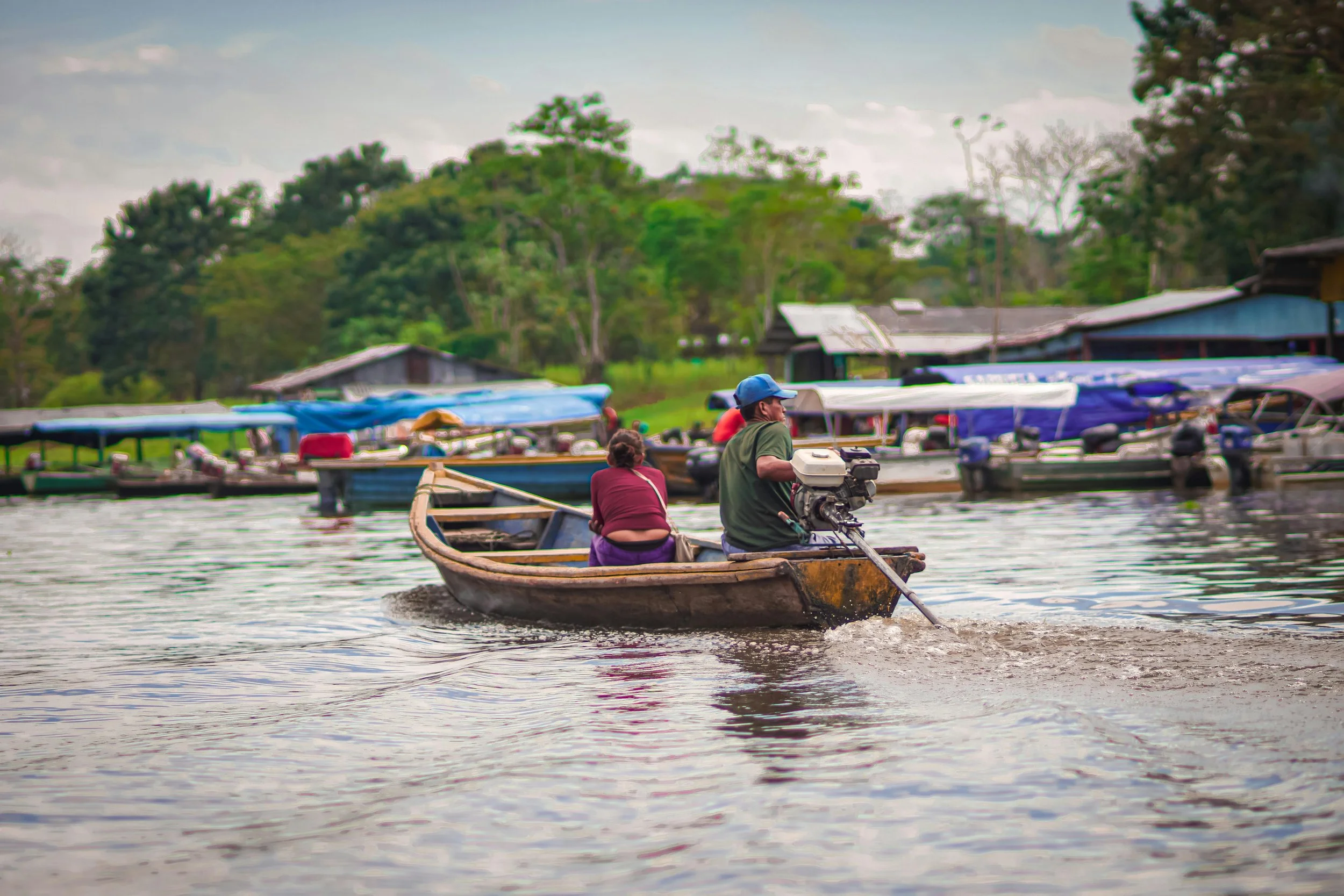
This is not a new idea. Iran introduced a cash dividend from its oil revenues over a decade ago, paying citizens directly as subsidies were reformed. Alaska has long distributed an annual dividend to residents from itsPermanent Fund, built on oil revenues. California distributes modest utility bill credits through its cap and trade system. These are imperfect models, but they prove the principle works.
More recently, as we explored in aprevious blog post, the Marshall Islands became the first country to introduce a true universal basic income, funded through a sovereign wealth fund originally capitalised by strategic rents from the United States and other nations. Every citizen receives roughly US$800 per year, unconditionally. For a small island nation on the absolute frontline of climate breakdown, this is social protection integrated with climate justice in practice.
Why could this model not be replicated in any country wishing to transition away from fossil fuels? Revenues from charges on the biggest polluters and major renewable energy projects could capitalise and sustain a national wealth fund, which in turn could pay regular, universal payments to every citizen. This is not a cure for inequality or a replacement for public services. But it is a mechanism to ensure that the burden of transition is shared fairly, and that the political case for ambitious climate action is not undermined by the price at the pump.
What Santa Marta Must Deliver
The conference in Santa Marta has an opportunity to be genuinely historic, but only if it is willing to go further than its precursors. That means agreeing, in principle, to a phase-out of fossil fuel extraction with legally binding limits. It means establishing a framework for making polluters pay. And it means recognising that without a credible plan to protect ordinary people from the costs of transition, the politics of climate action will continue to be captured by those who benefit most from the status quo.
The taxi drivers and lorry drivers of the UK, the rural families of Nigeria, the coastal communities of Colombia and Tuvalu: they are all watching. Every fuel price spike, every extreme weather event, every climate-driven displacement is a reminder that the current system is not working.
The only way to build a durable coalition for a fossil-free world is to make sure that the people asked to support that transition are not the ones left paying for it. A Just Transition Basic Income is not a concession to political difficulty , it's the only way to make this work.
___________________________________________________________________________________________________________________________________________
