
Why the Marshall Islands’ new basic income programme serves as a blueprint for climate justice in the South Pacific
Patrick Brown - Executive Director
The Marshall Islands just became the first ever country to introduce a true Universal Basic Income - a regular, periodic cash payment unconditionally delivered to all on an individual basis, without means-test or work requirement. (BIEN) You might not have heard about it - and that’s partly why I’m writing this blog - but also because we at Equal Right believe it provides an ideal blueprint for climate justice in the South Pacific (and beyond).
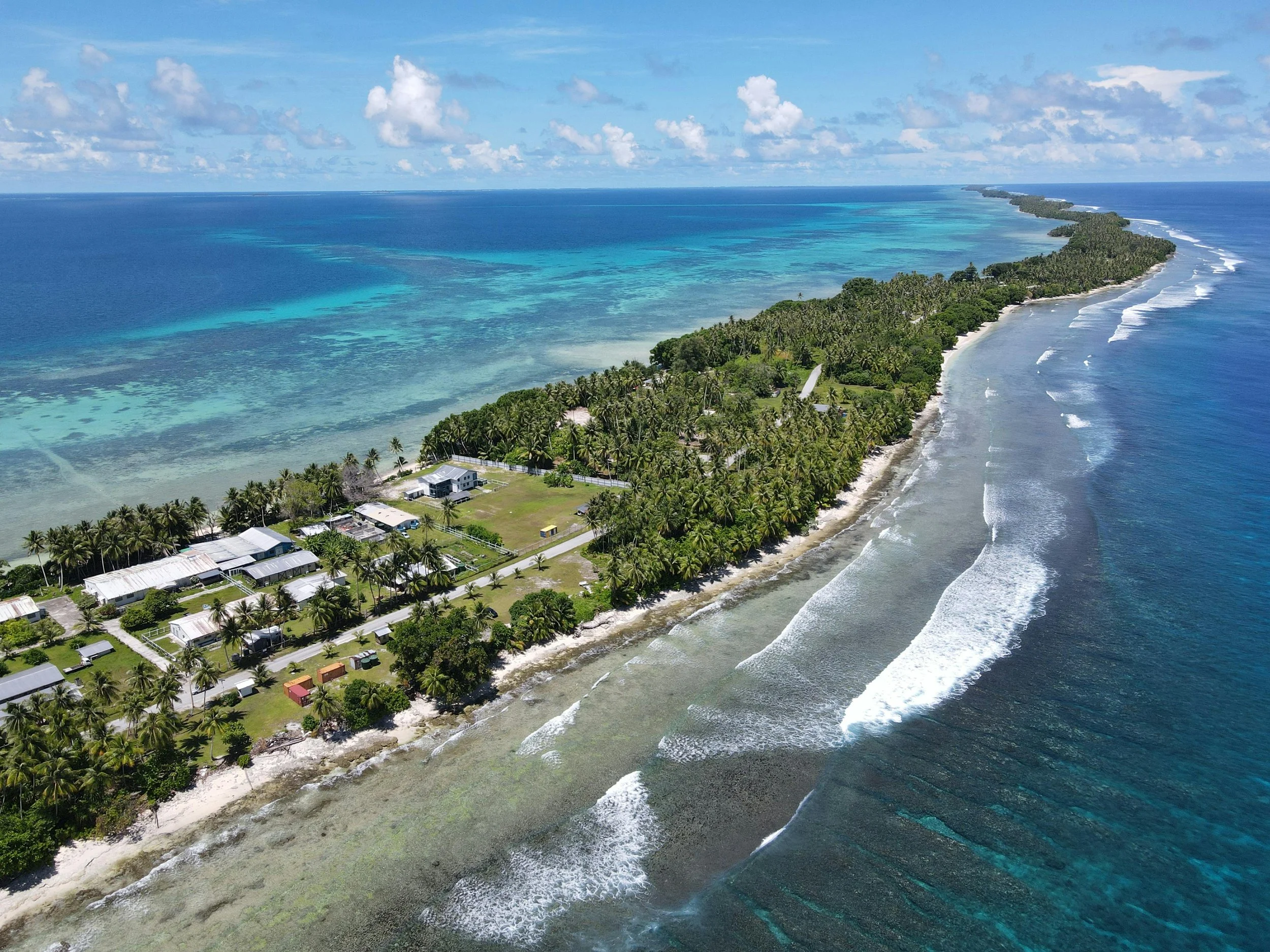
How Enra Works – A National Dividend for Everyone
Enra (“Enra Bwe Jen Lale Rara”) pays every Marshallese citizen living in the country roughly US$800 per person per year, in quarterly instalments of about US$200. Children are included. There is no means test, no work requirement, and it is paid to individuals, not households.
People can receive the payment by cheque, bank transfer or via Lomalo, a government-backed digital wallet. The digital channel aims to reduce costs and make sure even remote atolls are included, though it is an option rather than a requirement.
Crucially, Enra sits within a layered income security system:
The universal Enra payment to all citizens in-country.
An Extraordinary Needs Distribution (END) for communities facing extreme hardship – especially outer islands affected by nuclear testing, climate change, isolation and weak local economies.
Additional categorical supports for retirees, disabled people and early childhood.
This is not a small tweak to social policy. The Enra and END programmes together amount to around 14% of national GDP, with roughly 8% going to UBI and 6% to targeted support for high-need communities. Compared with the GDP per capita of the UK, that's around £450 a month per person - not an insignificant amount at all.
How it's funded
This is where Enra gets really interesting - instead of endless debates around what tax revenues would be needed, or what social security benefits would need to be cut, Enra is financed from the Trust Fund for the People of the Republic of the Marshall Islands. This is a sovereign wealth fund capitalised primarily by long-term US payments under the Compact of Free Association, alongside contributions from the Marshall Islands and Taiwan.
Decades of nuclear testing, ongoing missile-range use and strategic military basing rights created a flow of external rent. Rather than letting that wealth sit in distant accounts, the Marshall Islands has chosen to treat part of it as shared national property and pay it out as an equal dividend. This is similar to what Norway did in establishing its now $2tn sovereign wealth fund, and also Alaska and several Brazilian cities. But crucially, this fund isn’t reliant on the extraction and sale of fossil fuels - that’s important.
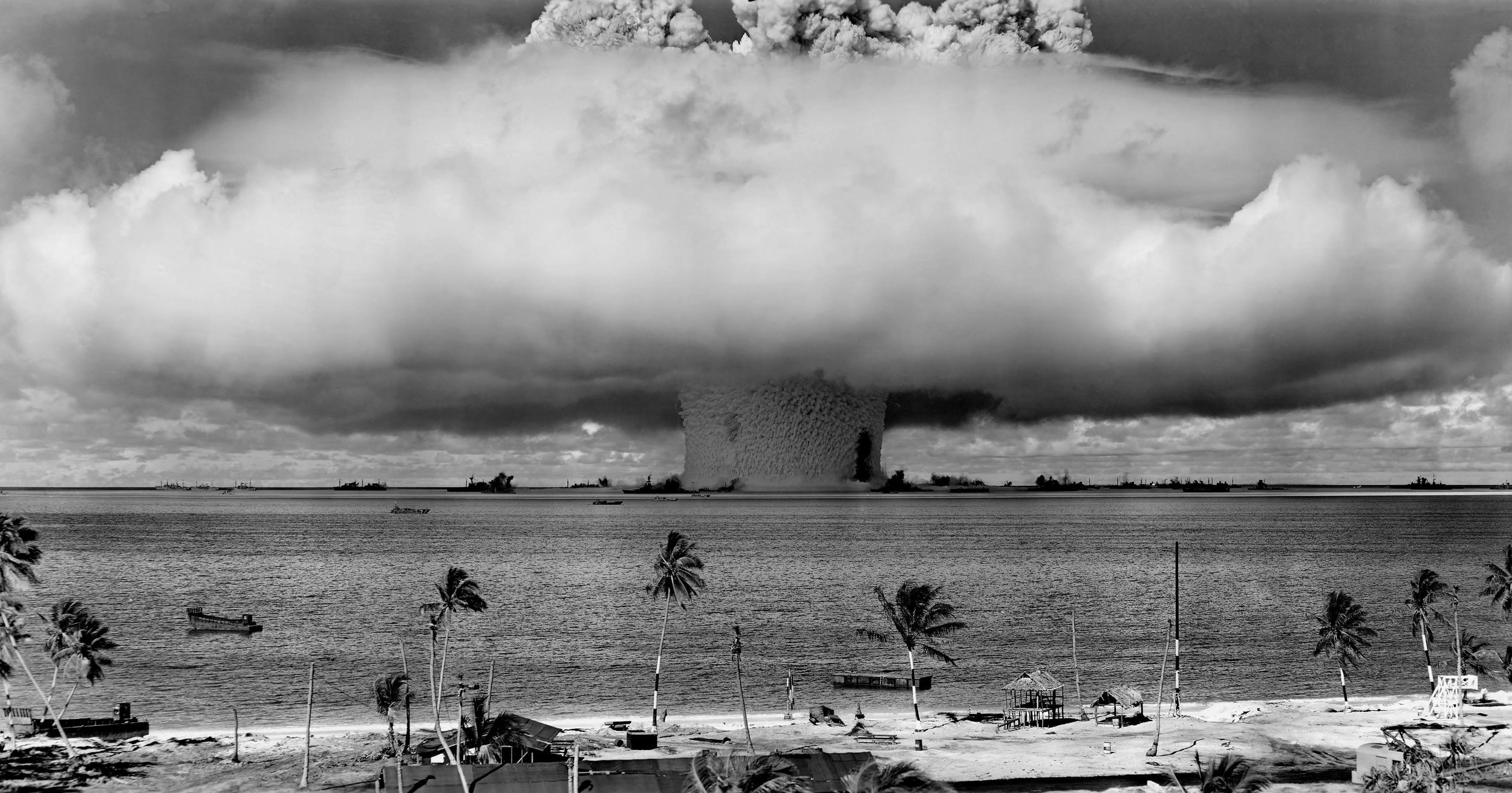
The trust fund has grown to around US$1.3 billion, with Enra and END authorised to draw roughly US$50 million per year for its 43,000 citizens – around 3.6% of fund value – which is consistent with long-run sustainability given historic returns.
In other words: a sovereign wealth fund, capitalised by direct contributions and strategic rents from the Global North, is now the backbone of a UBI. That is exactly the financing architecture Equal Right has argued for in our work on climate commons funds and Cap and Share.
Why This Matters for Climate Justice
The Marshall Islands is one of the most climate-vulnerable countries on Earth – low-lying atolls facing accelerating sea-level rise, coastal erosion and salinisation. It is also a community already scarred by nuclear testing, forced displacement and ongoing strategic militarisation.
By turning a portion of its long-term compensation and strategic revenue into a universal dividend, the Marshall Islands is doing three things critical for climate justice:
Recognising historical harm and transforming partial compensation into an ongoing right, not a one-off payout.
Building resilience – regular, unconditional income gives people flexibility to adapt, relocate within the country, invest in housing and livelihood, and support community-level climate action.
Creating an income floor for everyone, while still allowing higher payments and targeted support for the most affected outer islands.
How Enra Connects to Equal Right’s Work
We’ve already modelled what a global Cap and Share policy would look like, with the potential to generate $5tn in new climate finance. We’ve researched the many ways in which basic income could advance a just transition. And in Tuvalu, another extremely climate-vulnerable South Pacific island nation, we’ve been putting ideas into practice for over a year - providing AUD 1,000 lump-sum payments and a monthly basic income of AUD 100 to a small cohort of Tuvaluan climate activists. We call this programme ‘Unconditional Cash for Climate Justice’ (UC4CJ).
We believe the logic of Enra does not have to stop at the Marshall Islands. The South Pacific as a whole is on the frontline of climate breakdown – but also sits on immense blue-economy value, strategic rents and untapped climate finance.
A South Pacific Climate Justice Fund could:
Be capitalised through a mix of:
A regional carbon charge on fossil fuel extraction in a country like Australia, and a corresponding charge on fossil fuel imports
New or additional levies on aviation and shipping into and across the region;
Allocations from global climate finance including the Fund for Responding to Loss and Damage Fund;
Contributions from countries or companies benefitting from fishing rights, compensation to uphold seabed mining bans, or other blue commons revenues
Revenues from renewable projects where feasible.
Be managed as a regional sovereign wealth fund, with strict ethical investment rules and strong Pacific governance.
Pay out a universal climate dividend – a modest UBI – to every citizen in the participating island states, with the same per-person amount across the region.
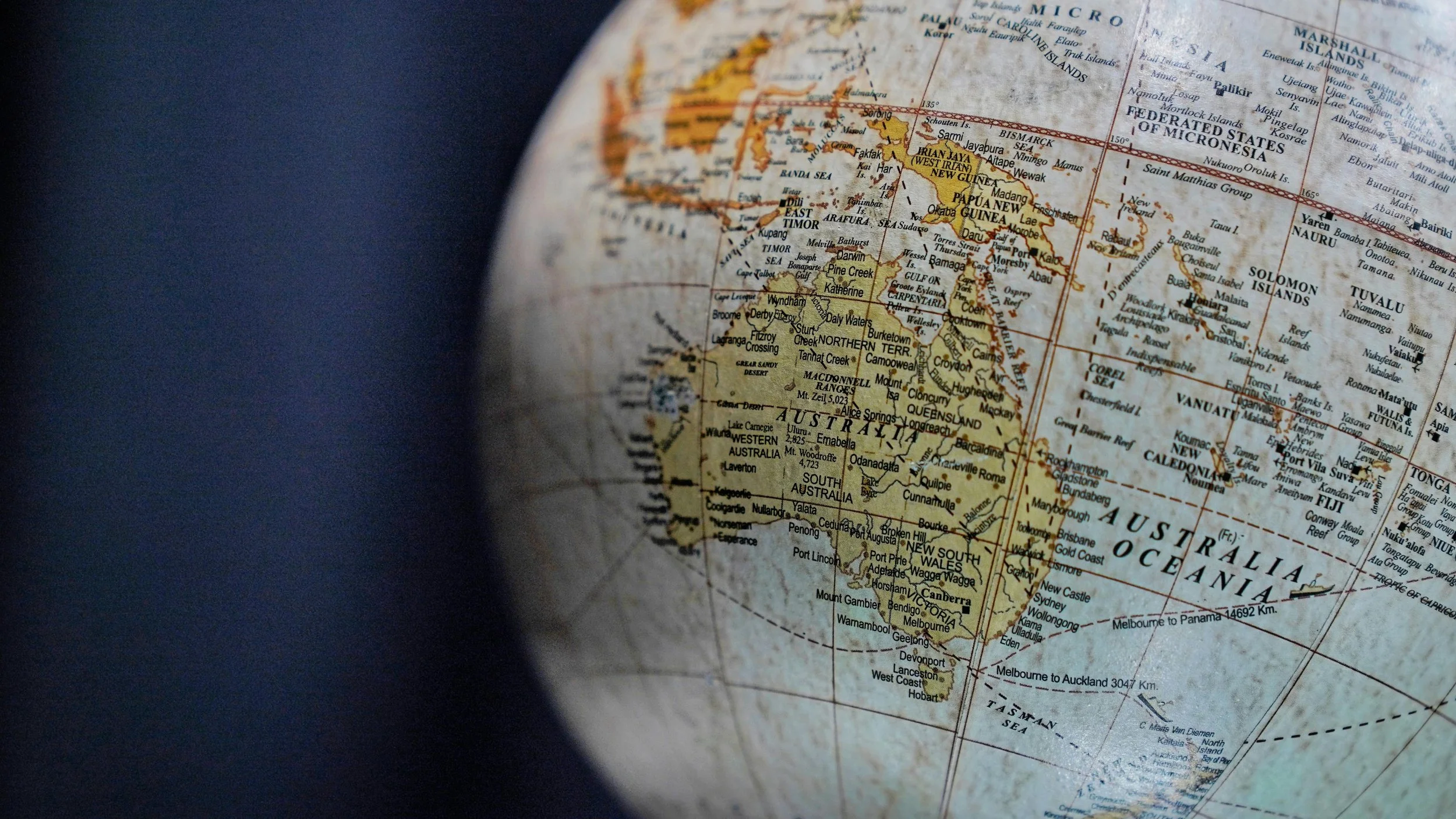
The countries of Palau, Tuvalu, Kiribati, Vanuatu, Solomon Islands, Tonga, Fiji and Samoa together have a population of roughly 2.6 million people. If we follow the Enra model, a regional dividend of US$800 per person per year would cost around US$2 billion annually, and require an initial endowment of $55 billion. That is large for the islands, but marginal compared with the $1.3 trillion needed for global climate finance by 2035.
Looking Ahead to COP31
COP31 will now take place in Antalya, Türkiye, with Australia presiding over the negotiations and explicitly tasked with advancing Pacific interests.
That creates a clear opportunity:
For Pacific governments to put a regional Climate Justice Fund on the table as a priority mechanism under the Loss and Damage and climate finance agendas.
For countries to recognise that direct, unconditional cash must be part of any credible climate justice package for the South Pacific.
For the Marshall Islands to elevate Enra as proof that a small, climate-vulnerable state can run a national UBI financed from a sovereign fund – and that others can too.
Equal Right will continue to make the case that UBI for climate justice is a practical way to deliver real, direct compensation to people most affected by the climate crisis.
Enra shows the path. The question for COP31 is whether the world is willing to follow – and whether the South Pacific will be allowed to lead.
