
Reflections from COP30: When the Negotiations Fall Short, Communities Point the Way Forward
We left Belém with a familiar mix of frustration and fire. Frustration because COP30 once again revealed how easily political courage evaporates in the negotiation halls. Fire because outside those same halls, the real leadership, the community-led, justice-driven leadership, has never been stronger.
This year’s COP was supposed to mark a turning point. Instead, it became another reminder that the international climate machinery moves at a pace completely out of step with the urgency of the crisis. While governments debated wording, frontline communities continue to live the consequences of political delay. While delegates sidestepped the root causes (fossil fuels), people living through droughts, floods, forest loss and constant injustice, kept asking the same basic question: Who is all of this actually for?
And that’s where Equal Right’s vision stood out most clearly.
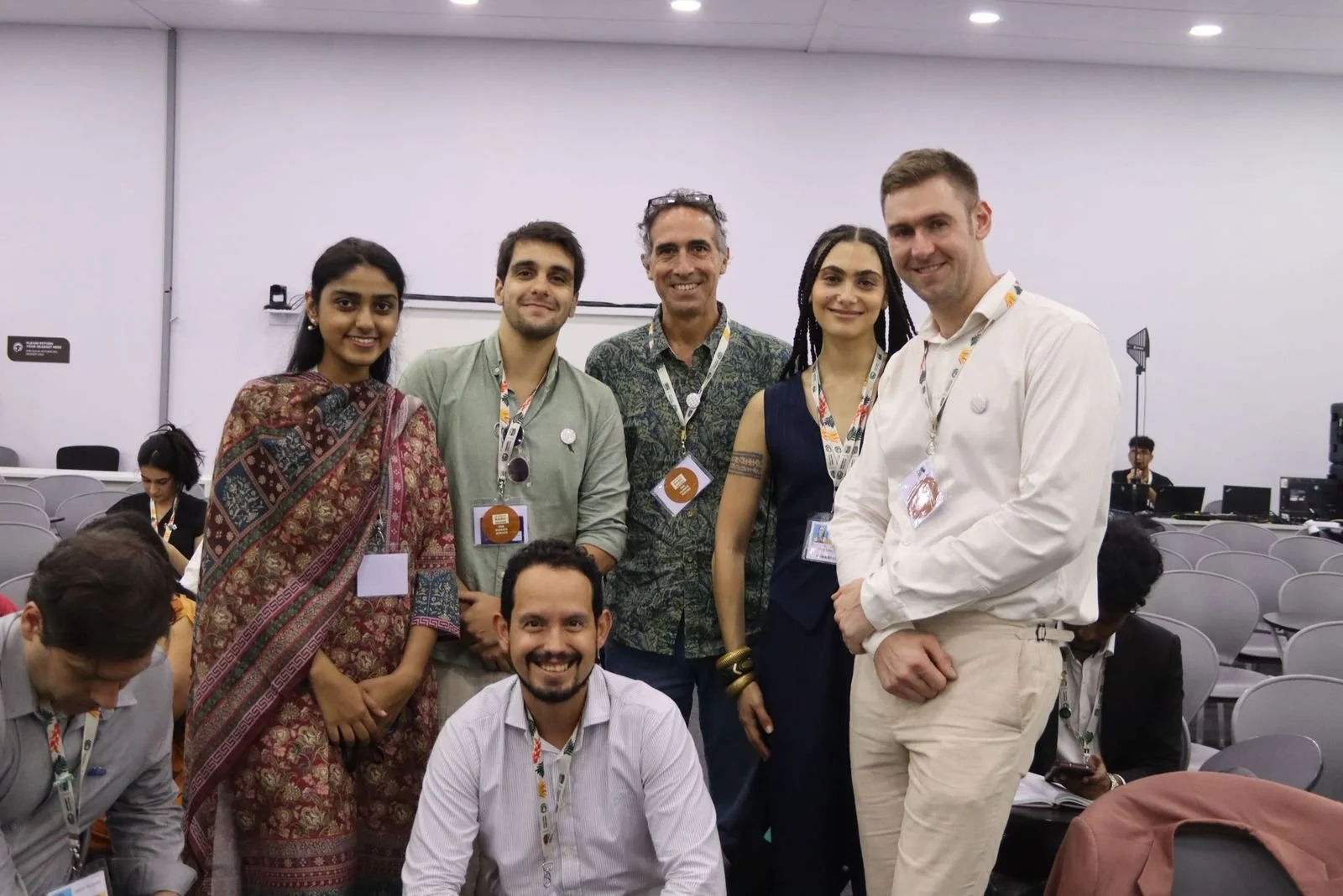
The stalled ambition on fossil fuel phase-out, the tokenism of Indigenous voices, and the continued gap between adaptation needs and adaptation finance, these weren’t isolated failures. They were symptoms of a system where those with the least power are asked to wait outside of the room while the ones with the most power decide on their future
Equal Right’s role in the negotiations:
Walking between events and negotiation rooms, I saw two COPs happening at once:
Inside, where decisions were diluted and urgent questions were treated as inconveniences.
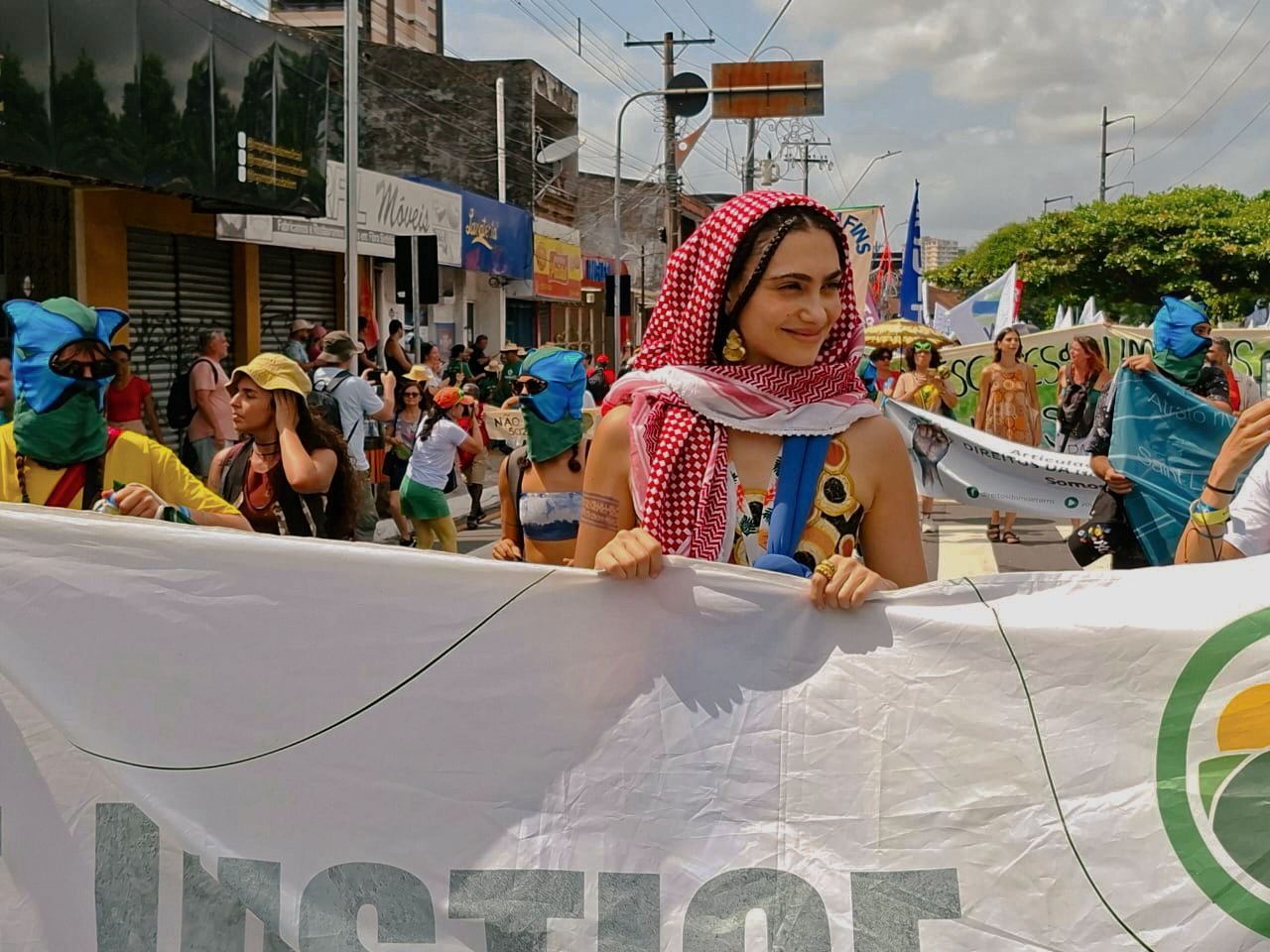
Outside, where people were organizing, demanding, imagining, and building the solutions that negotiations still refuse to fully acknowledge.
It was in that second COP also known as “the people’s COP” where the collective message resonated loudly with Equal Right: climate justice begins by trusting people deciding over the resources that directly affect their lives.
With the dominant climate finance solutions circulating in negotiation spaces, from the Tropical Forest Forever Fund (TFFF) to a range of carbon markets and performance-based mechanisms, often bypass the very communities whose territories are being negotiated.
The TFFF, for example, is designed to channel large-scale finance for forest protection, but in practice it concentrates decision-making in international institutions and national governments. It proposes protection for forests, but not necessarily with or by the peoples who live in them. And many Indigenous organizations, are skeptical of a model that risks locking up land without strengthening sovereignty, livelihoods, or self-determination.
We heard those critiques echoed across Belém: solutions that centralize finance, concentrate power, and promise benefits later, rarely deliver justice now.
In contrast, our approach hit different.
We came to COP30 with a clear message that we took directly to ministers and negotiators:
If climate finance is meant to work for people, then we need to put resources in the hands of people.
Not as compensation.
Not as trickle-down benefits.
But as a foundational principle of justice.
Our conversations across the Pacific, Latin America, and South Asia were not about building more layers between finance and communities, they were about removing them. About designing mechanisms that restore trust, autonomy, and dignity to the people who have protected ecosystems for generations, before “climate finance” ever existed.
Whether through direct cash transfers that sustain community stewardship, or through Cap and Share, a proposal to cap fossil extraction, charge polluters, and distribute revenues as universal climate dividends, we are reimagining not just how money moves, but who has power over it.
Because to us, climate finance isn’t just about counting carbon or mobilizing billions. It is about shifting power.
And ultimately, it is about recognizing that justice is not an outcome of negotiation, it is an investment in people.
Why this moment matters more than the outcome of COP30
The summit’s outcomes aren’t the end of the story. There’s an unmistakable energy in the air, a reminder that climate justice won’t come from negotiations, it will be built from the ground up.
And maybe that’s the real takeaway from Belém: the world is shifting, just not in the places where we’re told to look for change.
The momentum for a fossil-free future is coming from the countries demanding accountability. The push for resilient communities is coming from people designing their own adaptation strategies. And the most promising models for fair climate finance are coming from organizations like us refusing to accept that “impossible” is an option.
Because for all of us watching the failures and the sparks of possibility side by side, one truth remains:
When institutions fall short, movements rise. When negotiations stall, communities lead. And when justice is delayed, we build the pathways ourselves.
Clara Tomé Colomer- Equal Right's Cap and Share policy competition winner
