
Christine Wainaina
- Climate Justice and Finance Fellow, Equal Right
We live in an era of compounding crises. Climate change and armed conflict no longer exist as separate emergencies. They feed each other, accelerating the other's worst effects, and together they are dismantling the social and environmental foundations that ordinary people depend on to survive. The question is no longer whether the world is becoming more unstable. It is whether societies are equipped to hold together when it does.
That is where Universal Basic Income enters as one of the most practical tools available for building resilience in an age of cascading shocks.
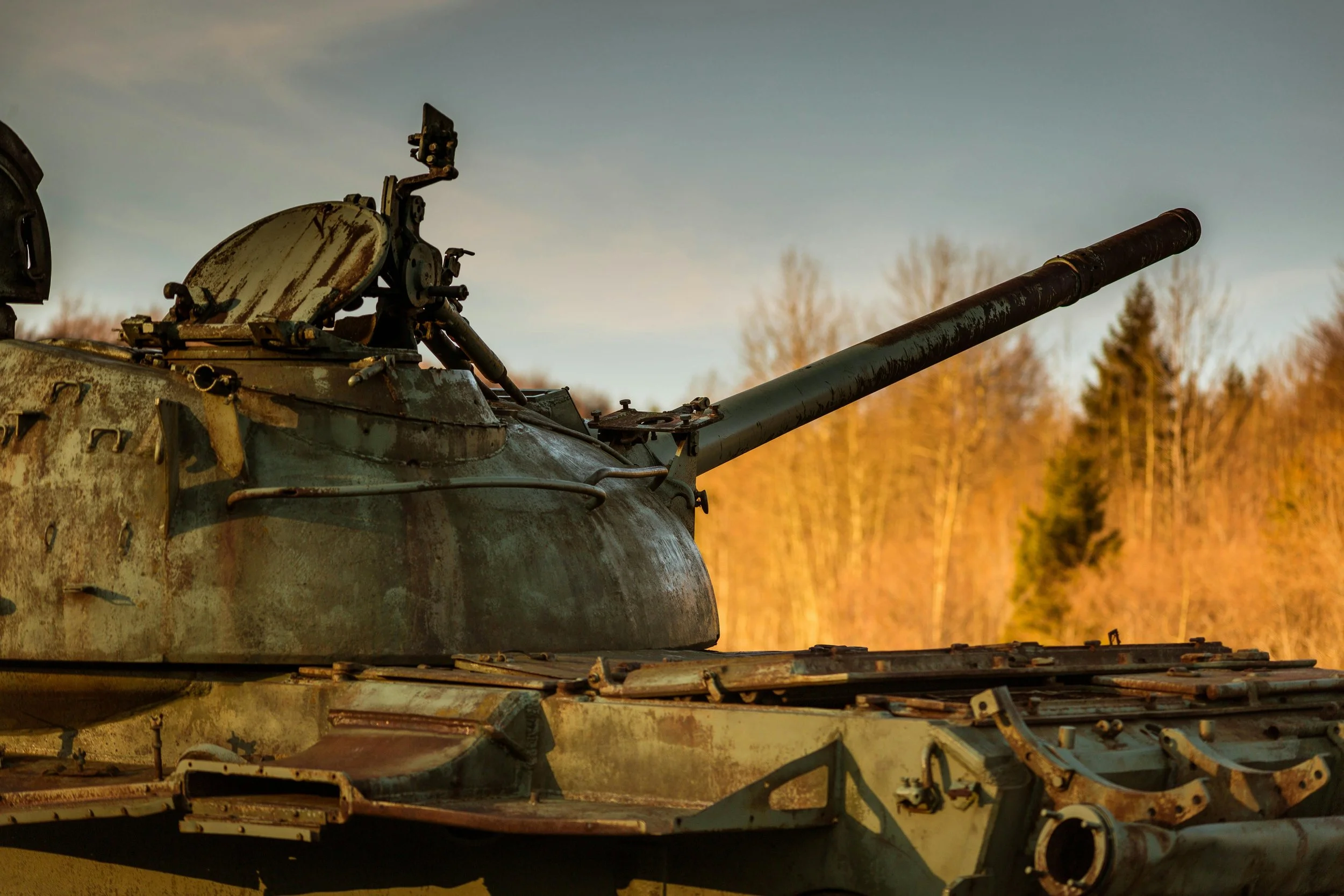
Modern warfare is deeply carbon-intensive.
Fighter jets, tanks and missile systems consume staggering amounts of fuel. Burning infrastructure, devastated forests and the enormous process of reconstructing destroyed cities inject millions of tonnes of carbon dioxide into the atmosphere, in many cases for decades after the fighting has stopped. Yet military emissions remain one of the least regulated sources of greenhouse gases globally. Under the Paris Agreement, reporting them was largely treated as voluntary. What is not counted is too easily ignored.
The damage extends far beyond emissions. Armed conflict destroys energy grids, poisons farmland and forces millions from their homes. Displacement shifts environmental pressure onto already fragile regions, accelerating deforestation and water stress in areas stretching from Sudan to the eastern Democratic Republic of Congo. Meanwhile, climate change worsens the food insecurity, water scarcity and economic instability that have historically increased the risk of conflict. Each crisis deepens the other.
What breaks a society in moments like these is not only the physical destruction. It is the absence of a floor.
When people have no savings, no safety net and no certainty about tomorrow, even a moderate shock can spiral into desperation. Economic insecurity not only harms individuals. It erodes the social trust and political stability that climate cooperation and peacebuilding both require. A population struggling to survive does not have the luxury of long-term thinking. A government redirecting its budget to military expenditure rarely has room left for climate programmes.
A Universal Basic Income addresses this at the root. By guaranteeing every person a regular, unconditional payment, it creates breathing room. It gives communities the capacity to absorb disruption rather than collapse under it. It gives individuals the dignity of a choice, even when the world around them offers very few.
Critics argue this is too expensive, too simple, or insufficiently targeted. But the real question is the cost of not doing it. Societies that lack economic shock absorbers spend more on recovery, more on conflict, more on the cascading consequences of instability. UBI is the infrastructure for a world in which the next crisis is already forming before the last one has passed.
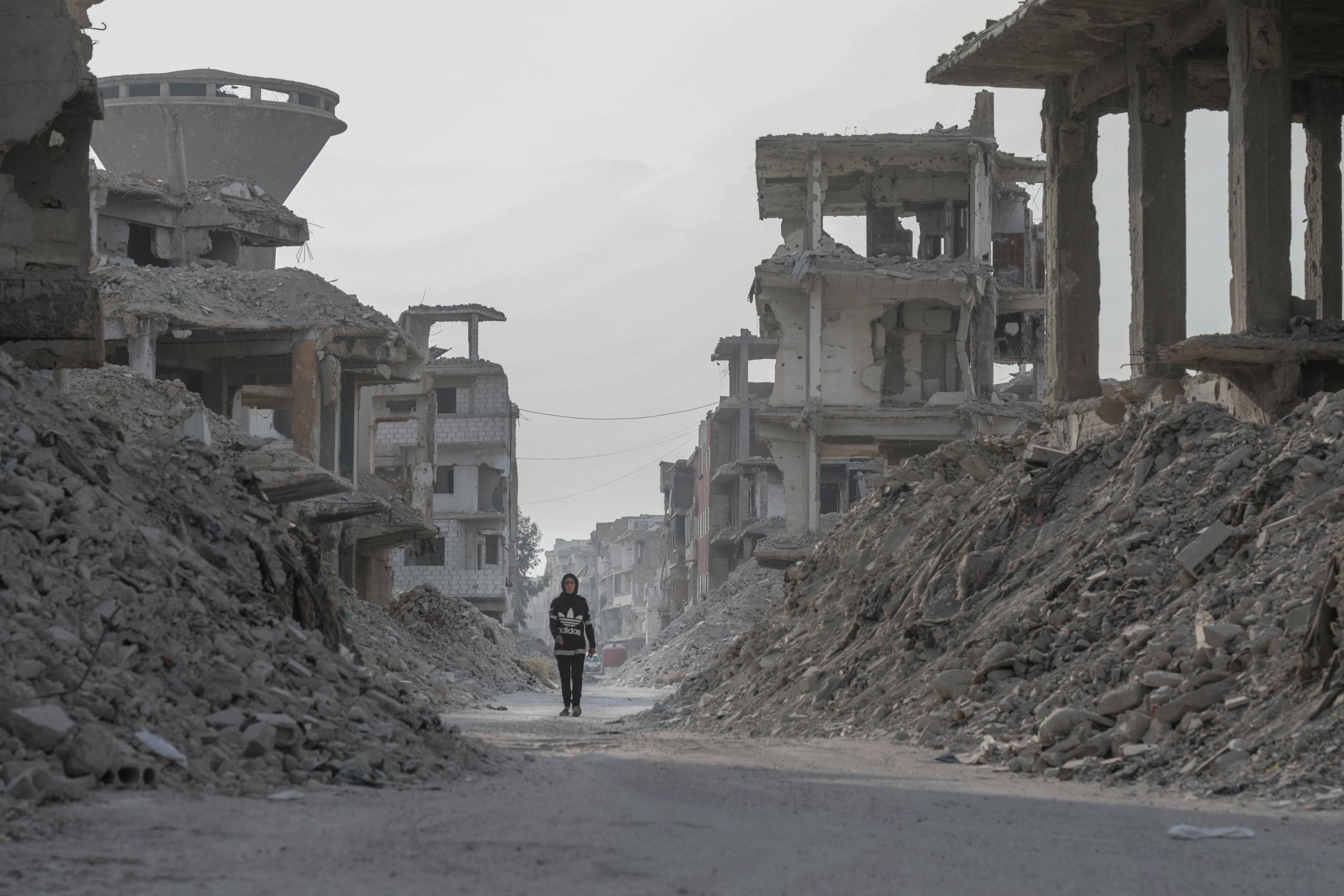
International legal thinking is slowly catching up to this reality. A recent declaration connected to an International Court of Justice advisory opinion affirmed that states have binding obligations to assess, report and mitigate harms to climate systems, including those arising from armed conflict. Conflict prevention is now, rightly, being understood as climate mitigation. But legal accountability and emissions reporting, while necessary, cannot on their own protect people living through the disruption.
Resilience must be built from the ground up. It means renewable energy and restored ecosystems, yes. But it also means ensuring that when a drought comes, or a war displaces a community, or a flood wipes out a harvest, ordinary people can survive it with their lives and their dignity intact.
That is the case for Universal Basic Income. Not a solution to every problem, but a foundation without which every other solution becomes harder to sustain.
War is a climate issue. Climate is a security issue. And economic security, for every person, may be the most urgent investment we are not yet making.
REFERENCES-
Intergovernmental Panel on Climate Change. (2023). Climate change 2023: Synthesis report. IPCC.
International Court of Justice. (2025). Obligations of States in respect of climate change, advisory opinion. https://www.icj-cij.org/case/187.
United Nations Framework Convention on Climate Change. (2015). Paris Agreement. United Nations.
