
Launching the Climate Commons Fund, Kenya
By Sarah Hathiari, Matu Mureithi and Christine Wainaina
On August 8, Equal Right launched the proof of concept for unconditional cash transfers in Il Ngwesi, Kenya. It tests how unconditional cash transfers transform communities that have strong governance and existing revenue streams by supporting their ongoing ecological stewardship and catalyse investment in alternative and sustainable livelihoods that ultimately lead to nature conservation. It paves the way to the permanent Climate Commons Fund - a community-owned wealth fund that transfers regular unconditional cash to support ecosystem conservation, diversify local incomes, and build resilience against climate change.
The foundations on which this project stands were first laid a year ago. Our team spent months listening and collaborating with the community. From hotel meeting rooms and several cups of chai to the shade of acacia trees across seven villages, we spoke with local leaders, officials, and community members to understand their conservation practices, governance structures, and climate concerns.
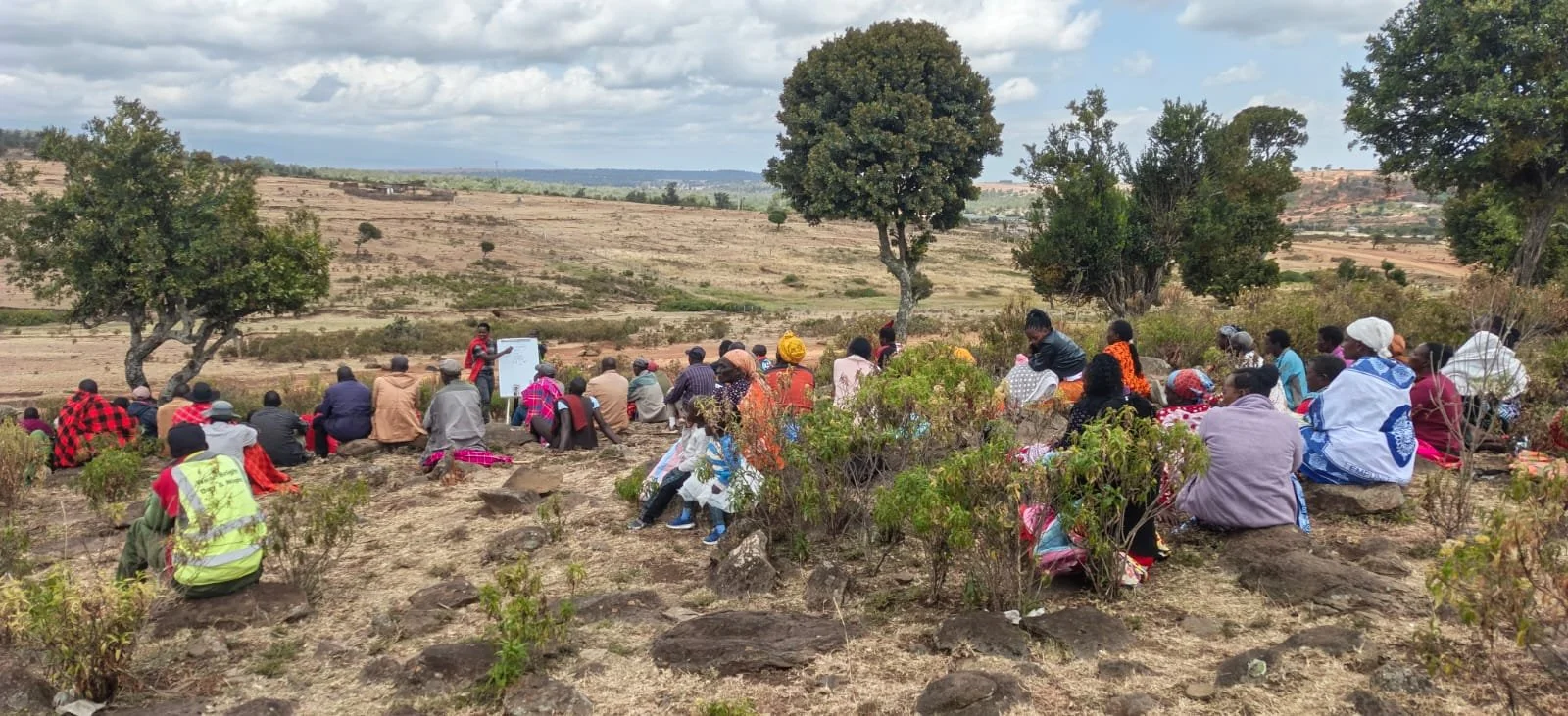
A training workshop in Chumvi Village, Il Ngwesi
Our preparation in the run-up
Il Ngwesi is one of Kenya's pioneer community conservancies, founded in 1995 and covering more than 8,700 hectares across seven zones. It generates meaningful conservation-linked incomes through eco-tourism activities and carbon credits tied to rangeland restoration and community welfare. The Climate Commons Fund, however, was conceived as something more direct. Built on the premise that people closest to the land are best placed to decide how to use resources from their stewardship, it puts unconditional cash directly into the hands of individual members and provides them the agency to meet their individual needs.
Our preparation involved several capacity-building workshops across the seven Il Ngwesi villages. Word about our workshops was spread through church gatherings, village assemblies, and local leaders. Over 500 participants attended. We held sessions outdoors under the shade of vast acacia canopies to create an informal, accessible atmosphere. During our workshops, we presented ideas on agroecology, permaculture, natural resource management, financial literacy, and renewable energy for home and agricultural use, while community residents shared their concerns and challenges about the conservancy, the project in general and their own welfare.
Our lead trainer was Alice Gathaiga, an agricultural extension officer from Laikipia County. Her agroecology sessions were hands-on throughout, built around live demonstrations with seed and maize varieties and practical contour-line marking using a spirit level and two poles. Matu Mureithi, the project coordinator, provided practical sessions involving community members on financial literacy and the meaning of unconditional cash. Timothy Julius from Sun Culture delivered his solar pumping session through pamphlets describing available pump models, their functions, and their advantages over conventional fuel alternatives. Across all zones, community responses were consistently positive. We found active participation in practical demonstrations and a clear appetite, voiced by elders and board members alike, for the workshops to continue.
Recurring community questions centred on the mechanics and fairness of recipient selection, the rationale for lump sums rather than monthly payments, the unconditional nature of the funds, and the pace and phased scope of the pilot. None of these questions suggested resistance to the Climate Commons Fund model itself. If anything, the opposite. Communities asking questions about fairness and governance are communities paying close attention to a project they expect to benefit from.
The engagement and feedback derived from these workshops were indispensable to our preparation, and we thank the communities of Il Ngwesi for trusting us with their time.
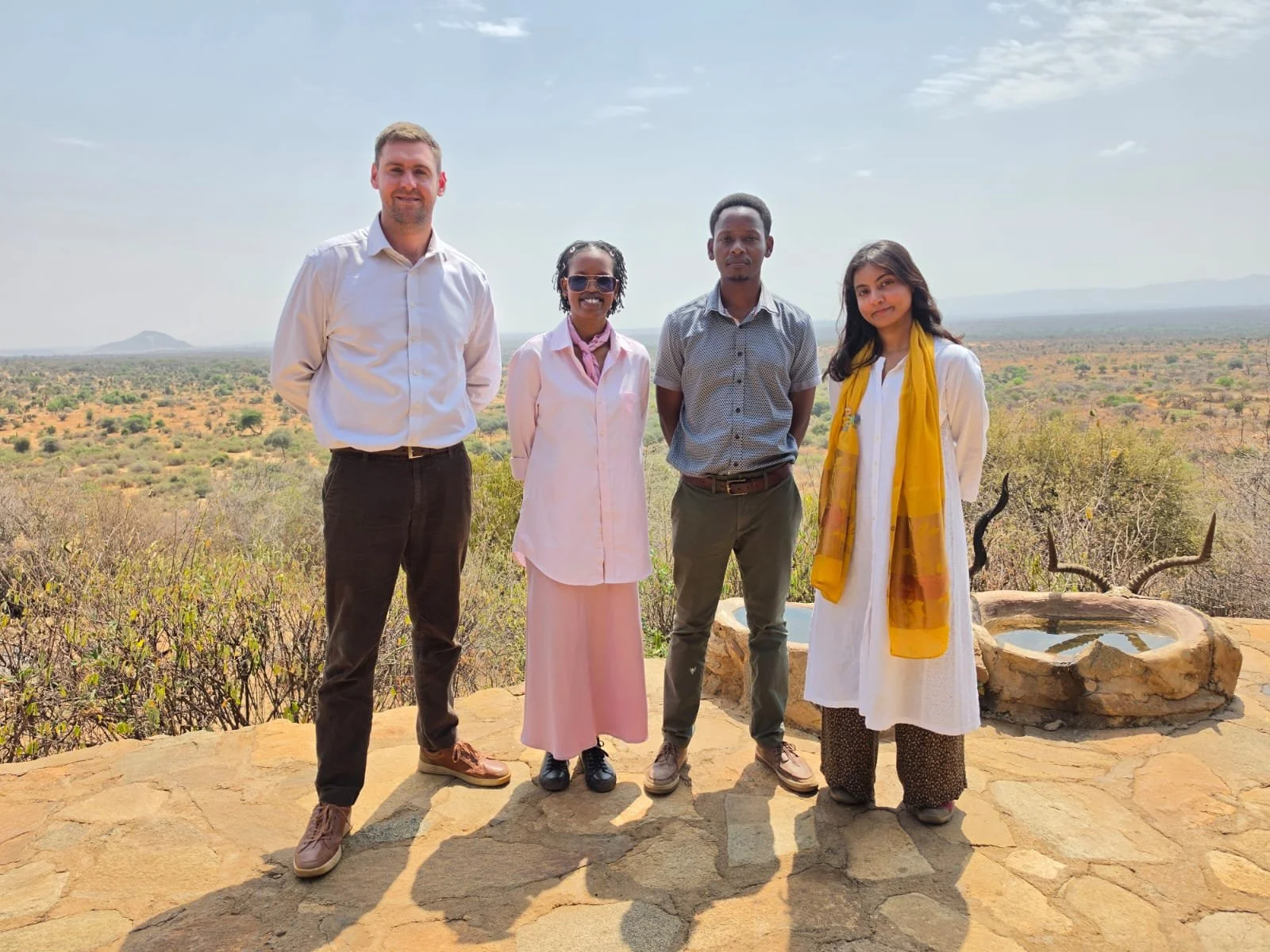
The Equal Right team arriving at Il Ngwesi Lodge
The big launch!
The team travelled to Nanyuki to visit the Il Ngwesi Eco-Lodge on August 8th. Together with the community leaders of each village and the managers of the Il Ngwesi conservancy, we were able to kickstart the pilot Climate Commons Fund program. First, we formally established the Climate Commons Committee (CCC) and signed its constitution into effect alongside local legal counsel AK Advocates as witness. The Constitution holds the governance framework and principles that will guide the Fund, while the Committee, whose membership includes seven people from Il Ngwesi Conservancy and three from Equal Rights, gives the Il Ngwesi community a majority role in managing the future wealth fund to ensure that it remains aligned with community priorities. Of note is that the composition of the Committee has representation from women and the youth baked in. At the heart of this is an assurance that the Fund is fully owned and governed by the community, with Equal Right providing technical assistance and operational support.
Then came the draw. Leaders from each of the seven villages picked out one man and one woman from each village in a blind draw to select the first participants of the Climate Commons Fund, along with further selection of two control participants. A blind draw conducted by the community leaders was crucial to ensuring trust and transparency in the randomised selection process. In total, 28 members were selected to be the pilot's first recipient and control group. Putting the Fund's commitment to unconditional support into practice, each recipient has received US$750, and each control group has been compensated US$75 for their time.
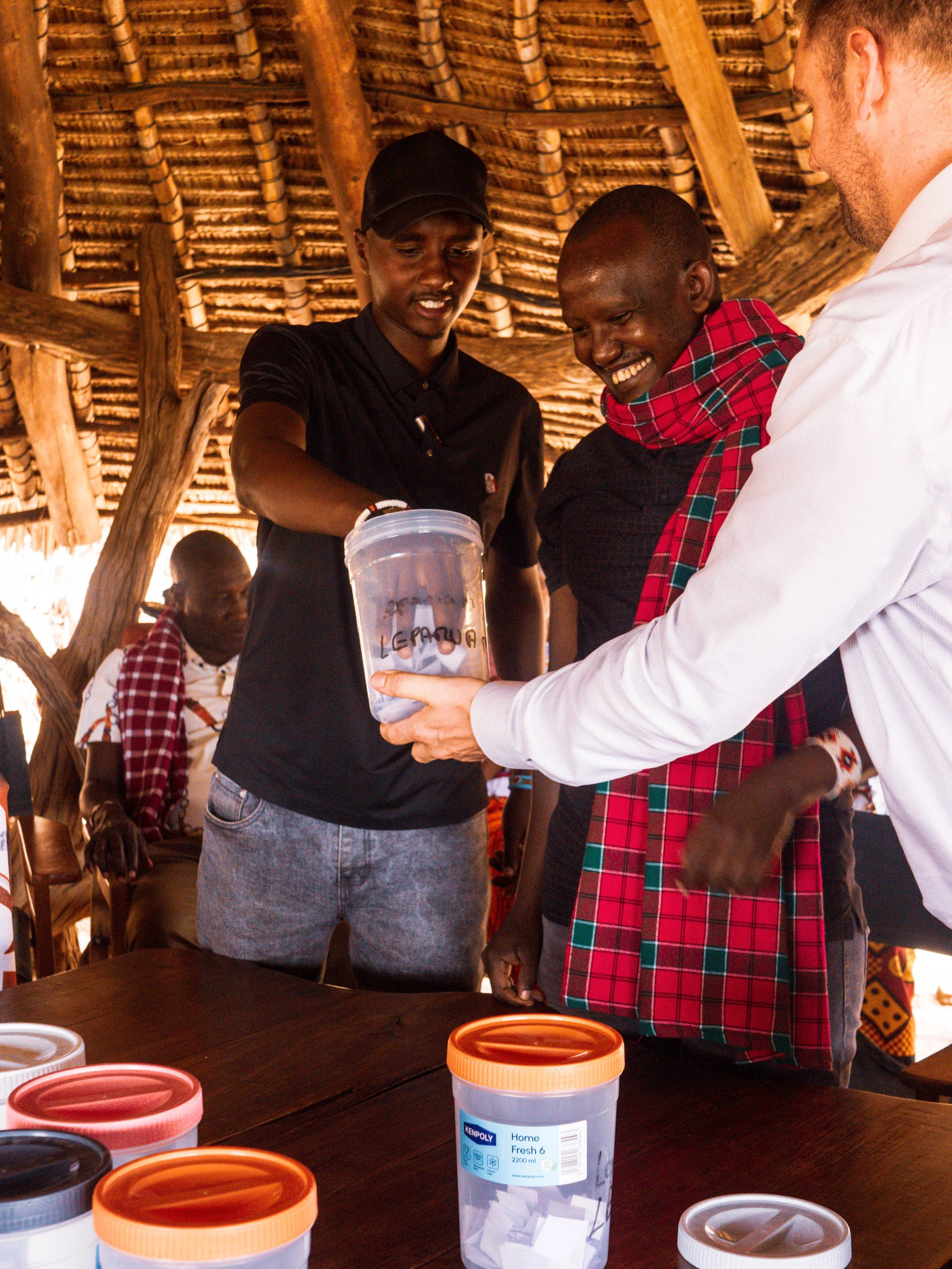
Il Ngwesi officials conducting the draw
Our cheerleaders: on the day and throughout
We found our unwavering support from the team at the Global Resilience Partnership (GRP) for facilitating the project financially and providing us with their experienced guidance to propel our pilots’ success. Cheerleaders on the day included the Laikipia Conservancy Association, AK Advocates, The Land Banking Group, and EarthAcre, who presented their own activities in the climate adaptation and conservation sphere. We thank them all sincerely for their time and contribution to our launch.
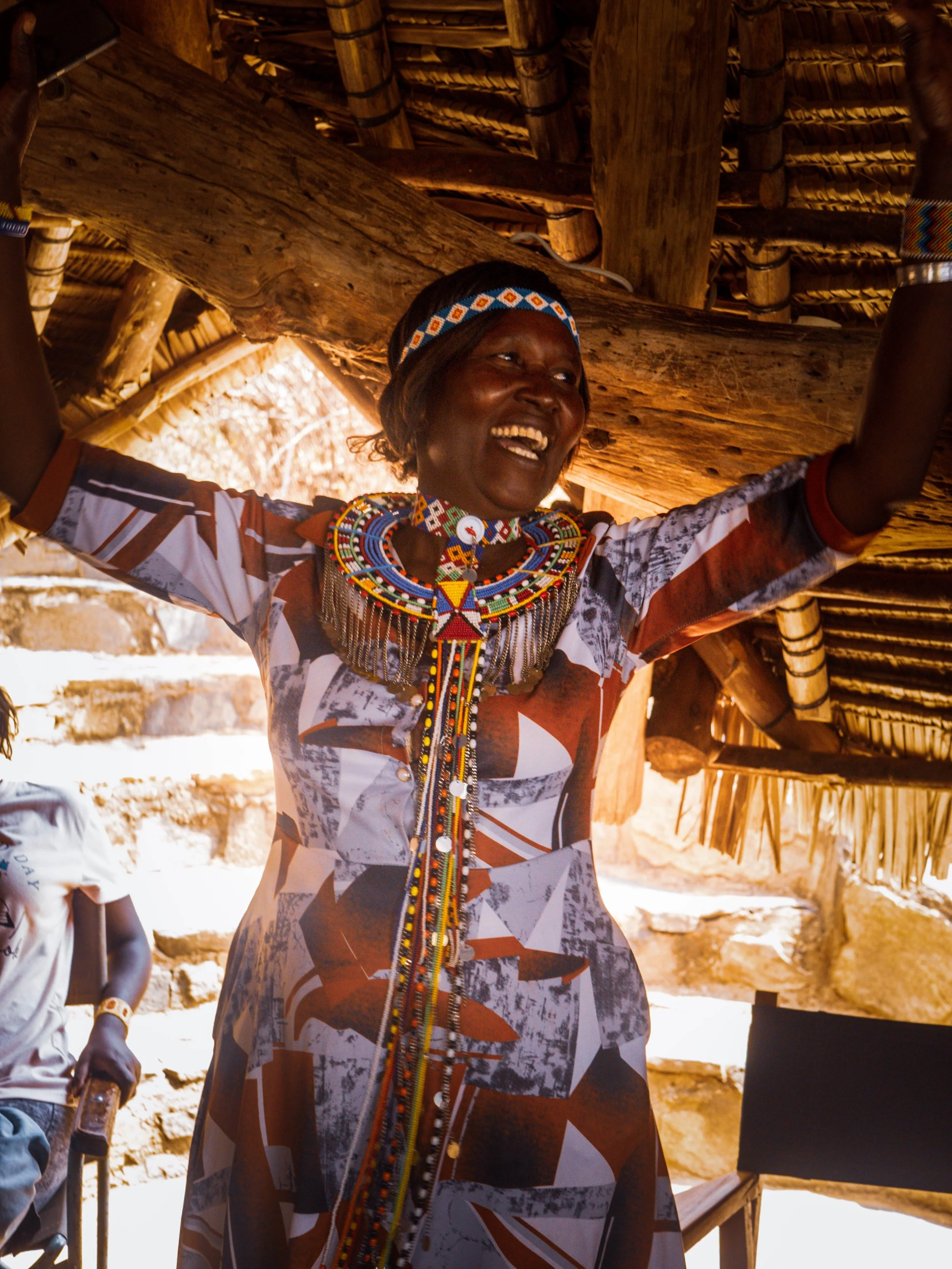
One of the Il Ngwesi officials celebrating the draw
Our journey ahead: It’s not a sprint
And so, on August 8, a year of groundwork finally turned into action. But we recognise that we are running at a time when resource constraints are an obstacle for many organisations like us. Which is why we are already working on securing the longevity of this program through:
Legal Institutionalisation: registering the Fund and the Committee as a legal entity, enabling it to manage an endowment and generate sustained climate dividends from investment returns.
Local Co-Investment: welcoming the commitment of the Il Ngwesi Conservancy to contribute to the Fund from its own revenues through existing carbon credit sales and ecotourism lodge incomes, demonstrating real local ownership.
Diversified Funding Sources: partnering with The Land Banking Group to explore market instruments like Nature Stock, capitalizing the Fund beyond traditional donor cycles
Our program is striving for permanence. Our answer is to combine immediate unconditional cash payments with a permanent community-owned endowment, ensuring communities benefit from conservation today while building a lasting asset that generates dividends for generations to come. Hence, our next critical step is a comprehensive Free, Prior, and Informed Consent (FPIC) process. True community ownership only exists when "no" remains a real and respected option.
Our journey began with a fundamental question: If local communities bear the primary costs of conservation, why shouldn't they share directly in the value it creates? We at Equal Right, along with our partners at Il Ngwesi, think they should. After a year of design and dialogue, the core hypotheses of the Climate Commons Fund are being tested. At Il Ngwesi is where we will find the answers.
