
Running Alongside Wildlife, Community, and Conservation at the Safaricom Lewa Marathon
By Matu Mureithi
“Finishing a marathon is a state of mind that says anything is possible.” - John Hanc
Every June, a few thousand runners, elite athletes, weekend joggers, corporate teams, seasoned marathoners, and the occasional first-timer who may have underestimated the challenge descend on the vast plains of Lewa Wildlife Conservancy, about 230 kilometres north of Nairobi.
They come for the Safaricom Lewa Safari Marathon, a race that has quietly become one of the most extraordinary marathons in the world.
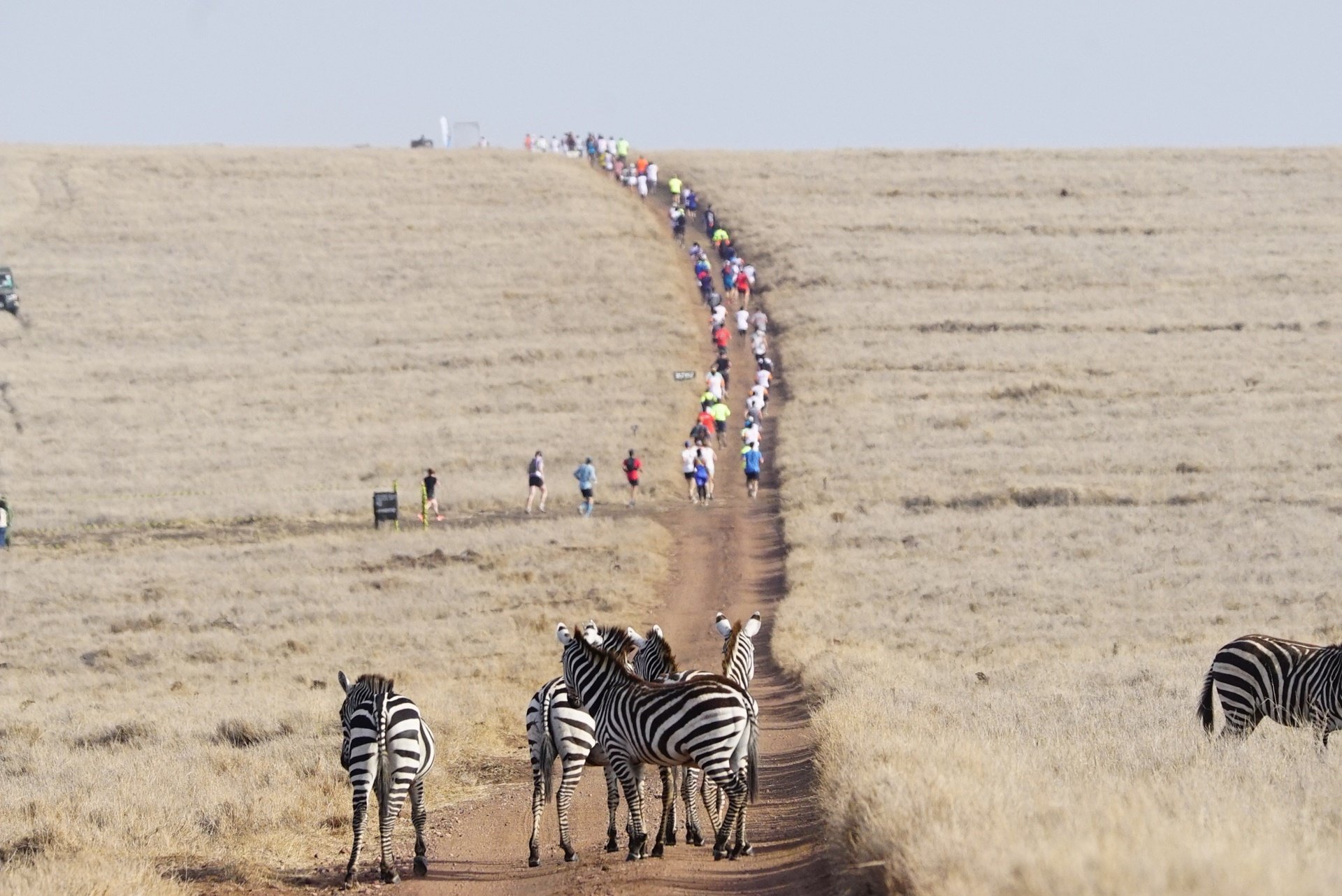
Since it began in 2000, the marathon has attracted runners from more than 40 countries and raised over KSh 1.3 billion (approximately USD 9 million) for conservation and community development programmes across northern Kenya. It has earned international recognition, with Runner’s World once naming it among the top ten marathons to run in a lifetime, a description that feels entirely justified the moment you step onto the course.
To clarify, this is not a city marathon with cheering crowds lining paved streets.
The course winds through rough dirt tracks normally used by safari Land Cruisers, cutting across open savannah beneath the hot, unforgiving June sun. At roughly 5,500 feet above sea level and within 100 miles of the equator, the conditions alone are demanding. Then there is the wildlife.
There are no fences separating runners from nature. Lions, elephants, buffalo, antelope, endangered Grevy’s zebras and reticulated giraffes move freely across the landscape. Armed rangers patrol the route while a spotter plane circles overhead, monitoring wildlife movements and ensuring the safety of runners. It is both surreal and humbling. Few races remind you so clearly that you are moving through someone else’s habitat.
For us at Equal Right, the significance of the marathon goes far beyond the physical challenge.
Lewa’s northern boundary meets Il Ngwesi Community Conservancy, one of Kenya’s oldest community conservancies and a key partner in our work through the Climate Commons Fund. The two conservancies share the same ecosystem and wildlife corridors, meaning animals move freely between them as they have for generations.
What benefits Lewa often directly benefits Il Ngwesi and the Indigenous Maasai families who have stewarded these landscapes for decades.
During conversations with Il Ngwesi officials and community members, one point became especially clear: the marathon’s impact extends well beyond nature conservation goals. Revenue generated by the event supports school bursaries, healthcare initiatives, local employment, community projects, and tourism opportunities that extend to neighbouring conservancies and villages. Many families in the region feel those benefits directly.
That connection between conservation and community is central to everything we are building through the Climate Commons Fund.
In Il Ngwesi, communities coexist daily with wildlife. Families sacrifice grazing access to allow landscapes to regenerate. They absorb the costs of living while existing alongside predators and protecting migratory corridors. Conservation, in many ways, depends on their stewardship. Yet too often, global conservation finance rarely reaches households directly.
The Climate Commons Fund aims to change that.
Together with Il Ngwesi, we are developing a community-owned wealth fund designed to ensure that conservation creates tangible economic value for the people living closest to the land. Through the fund, we are piloting unconditional cash transfers, referred to as “conservation dividends”, distributed directly to community members through mpesa.
The idea is rooted in a simple principle: people who protect ecosystems should share the value those ecosystems generate.
Over the next nine months, we will conduct workshops across all seven villages within Il Ngwesi, focusing on agroecology, financial literacy, and renewable energy. Then, through an automated randomised selection process, 14 community members, composed of men, women and youth, will each receive an unconditional lump-sum payment of USD 723 to support alternative and sustainable livelihoods. We will not stop here; we plan to eventually reach the 3000 members of Il Ngwesi and expand to other community conservancies in Laikipia and across Africa and the world.
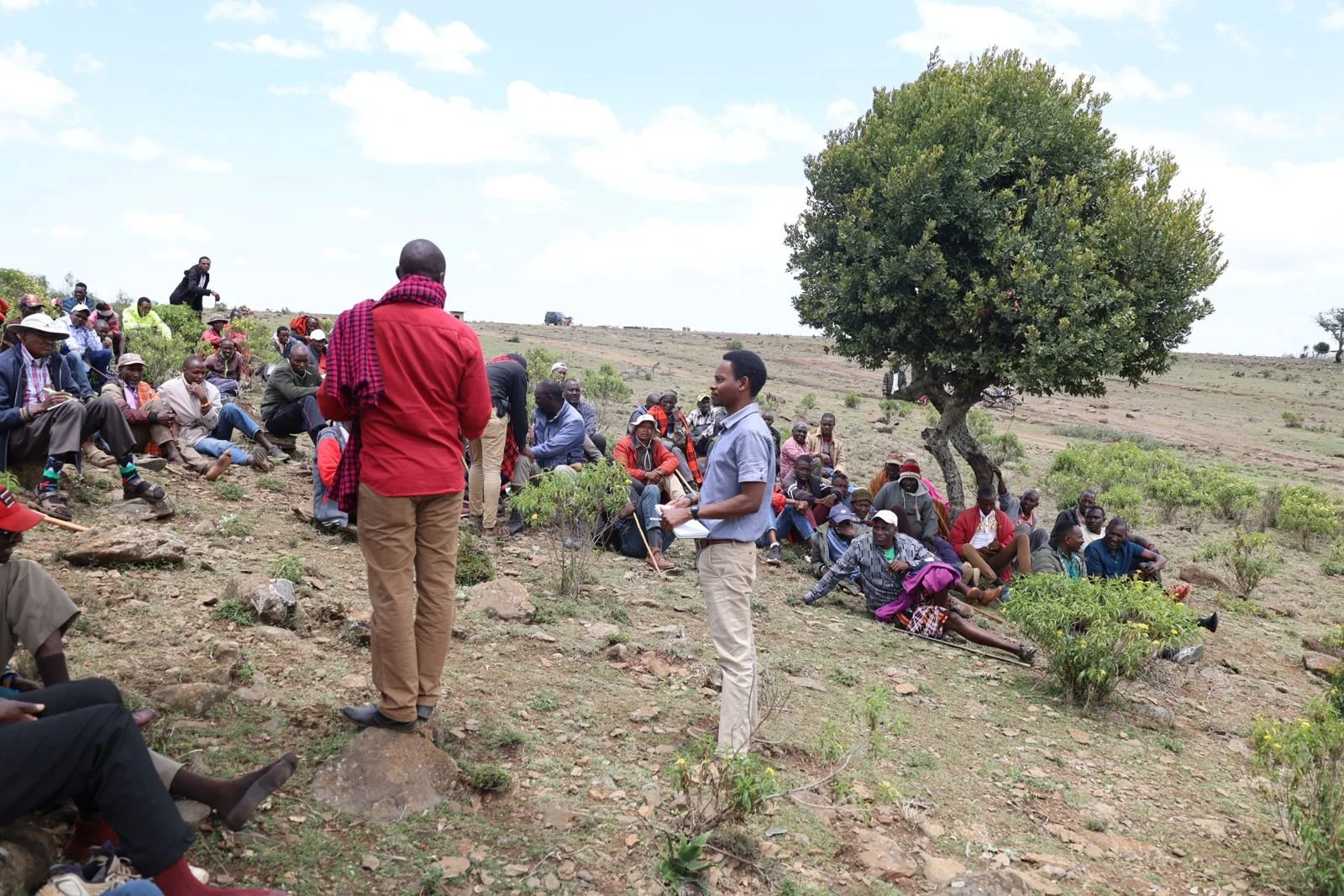
The objective is to help build community wealth, reduce dependence on environmentally destructive livelihoods, and strengthen the long-term relationship between conservation and economic security. Ultimately, the goal is to create a future where protecting ecosystems is not treated as a sacrifice but as something that meaningfully improves people’s lives through equal benefit-sharing.
The 2026 Safaricom Lewa Safari Marathon takes place on 27 June, and we at Equal Right will be at the starting line.
We look forward to running alongside people from Kenya and around the world in support of wildlife, conservation, community, and perhaps a little adventure, too.
Because somewhere between the dust trails, the acacia trees, and the distant sight of elephants moving across the plains, the marathon becomes more than an athletic event.
It becomes a reminder that conservation is not an abstract global conversation confined to conference halls and policy papers. It is something lived daily by communities here in Laikipia and across the world.
And sometimes, one of the best ways to understand that reality is simply to run through it.
You can support the Climate Commons fund by supporting Matu’s marathon run. Click here to donate!
