

Global Basic Income
Global basic income is a proposal for every adult and child in the world to receive an unconditional monthly cash payment to cover their basic needs, as a fundamental human right.
It expands on the idea of universal basic income (UBI), and proposes that national UBIs be underpinned by a global UBI as a universal social safety net. This transforms UBI into a global justice tool, which could return wealth from the 1% to the 99% and from the Global North to the South, addressing global inequality and ending extreme poverty for people everywhere.
Equal Right (formerly known as World Basic Income) is the first organisation in the world to actively research and share knowledge on this idea. Working with a fast-growing network of activists and experts from every continent, we are building a body of research and sharing resources to inform people about the potential of a global basic income.

Why not just national UBIs in each country?
Our briefing explains how a global UBI can secure fundamental human rights for at least half of the world's people, whose basic rights could not be covered by national UBIs alone.

Where could the money come from?
Our modelling suggests that trillions of dollars of new global money could be raised from wealthy people and companies, providing a UBI of $30 to over $100 per person per month.
Why for the whole world, including the rich?
By levying taxes on the wealthiest individuals and companies to pay for it, but providing it to all, we can have a global universal basic income that is progressive but still widely supported and defended.
Why give a basic income to Everyone everywhere?
The most commonly asked question...
When hearing about global basic income, a question that often arises is 'Why include people and countries that are well-off?'. Some advocates of cash transfers prefer 'targeted' rather than 'universal' approaches, as theoretically people living on low incomes can then be given more money. However, there are several reasons why it might be better to provide a basic income to every person, rich or poor.
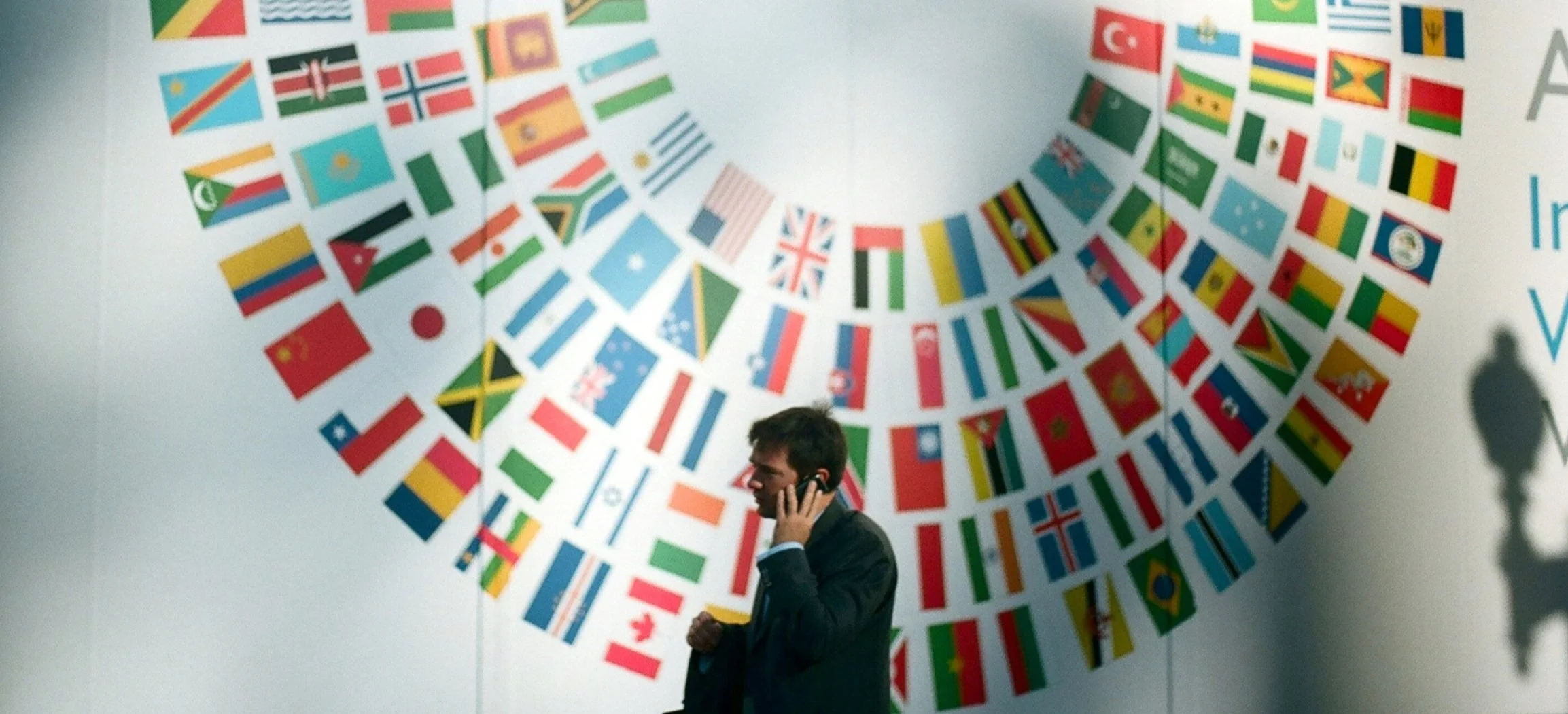
Wealthy people will more than pay for their own basic incomes anyway
In the proposed global basic income system, wealthy people are likely to pay considerably more in international taxes and charges (for instance wealth taxes and carbon charges) than they receive in basic income. They therefore would not really be 'receiving' global basic income at all, in a net sense. It is just easier, in both practical and political terms, to apply targeting in this system to the money collection side rather than the money distribution side. The system then feels like it gives the same to everyone, and it does still provide unconditional income security to all, but in fact its impacts are highly targeted and progressively stacked in favour of those on the lowest incomes.

How we could fund a global basic income?

A dividend for all from the global commons
A global basic income would be funded by charging corporations and well-off individuals for their overuse of the global 'commons'. An international carbon charge, a global wealth tax and a financial transaction fee would all be major contributors. We explore these ideas further through our research on Cap and Share, which you can read more about here. Global ‘quantitative easing’ (money creation) could also play a key role. These funding streams could raise trillions of dollars a year for a global UBI fund.
A whole world of resources
The global commons refers to resources that either are or should be considered the common property of humankind, either because their value is created through our collective efforts, or because they exist naturally as part of our shared inheritance.

-
A global carbon charge could provide the initial funding basis for a global basic income. Our atmosphere is clearly a global commons, and it makes sense that people receive compensation for damage done to it through carbon pollution. Capping overall carbon extraction and pricing CO2 at a starting rate of $135 per tonne would meaningfully address climate change while raising significant sums for a public dividend. Revenues should be placed in a global sovereign wealth fund and invested in renewable energy generation, ensuring the world has clean energy resources and providing dividends (i.e. the investment income from the fund) long after we stop using fossil fuels. A global carbon cap and share scheme of this kind has incredible potential to address two major global problems at once - climate change and extreme deprivation. Our full paper on this topic, including economic modelling by Autonomy, was published in 2023, and you can read it here.
-
Thinkers such as Yanis Varoufakis have proposed funding basic income by requiring that a percentage of the shares sold via Initial Public Offerings be held by a Commons Capital Depository. A proportion of the dividends paid out to shareholders by companies would then accumulate in a collective fund which would be distributed to everyone worldwide as a basic income. This idea recognises that corporations make money partly through the use of ideas, people, infrastructure and natural resources that have been publicly funded or are collectively owned, so the public deserves a share in the proceeds.
-
High finance only works if traders have 'confidence' in the products being exchanged. To create confidence, products have to originate in the real economy of useful things. Currencies and bonds get their value from the fact that populations go out to work and pay their taxes. Derivatives are based on farmers actually growing food next year, and on real earning people taking out mortgages on real homes. Without our hard work, the immense wealth within the finance sector would disappear, so it seems fair to ask that a portion of this wealth is shared among the people of the world that helped to create it.
-
Transnational shipping of goods, and aviation, are huge industries which rely on the use of these immense shared resources. We as the world's people could choose to charge for passage or freight through our airspace and oceans, and share this money out amongst us all.
-
Most of us either have no access to land or we spend our lives renting or paying off the huge cost of a tiny parcel of it. In line with longstanding campaigns for Land Value Tax, owners of large areas of land could be required to contribute a proportion of the revenue they generate with it (in rents, agricultural produce or capital gains) to the world's people, in recognition that we all have a shared moral claim on the land.
-
Gold, diamonds, oil, iron and other minerals all occur naturally yet they are traded for vastly more than what it costs to extract them. Although it may be unjust to begin extracting global dividends from these resources now, when the world's best off countries got rich centuries ago from selling theirs freely, these are nevertheless resources that can be considered to be common property at least by the people who live in areas where they still exist. There may be socially just ways to accrue a fair dividend from their extraction.
-
As energy prices rise, landowners who happen to possess windy hills, or who can stake a claim to sunny deserts or fast-flowing rivers, may make a fortune by selling us the output of our own weather. Although these are benign energy sources and their development should be encouraged, in time (especially as revenues from carbon taxes diminish) it may become right to gather a share of their revenues for humanity.
-
Near-earth asteroids contain valuable minerals, and some companies are already lining up to mine them. As no one privately owns asteroids, it seems reasonable to consider them to be in shared ownership. Therefore some or all of the gains from asteroids should surely be shared among the people of earth, just as the people of a country (or their government) usually expect a share of the proceeds from mining beneath their lands. Other riches from space, including space itself and the right to keep satellites there, could be treated the same way.
-
The fortunes made by Bill Gates and others programmers, writers and inventors were only possible because many people had built up knowledge before them, often for little or no pay. Our ancestors created this immensely valuable store of knowledge together, and we all deserve to share in the bounty created from it.
There are many sources from which we could derive a global basic income. We can choose to tap into these stores and flows of wealth as much as the people of the world consider to be appropriate. Doing so feels radical. It would require an expansion in global co-operation to create tax- and rent-raising powers at the world level. A world fund would need to be created into which the proceeds could be accumulated, and from which the world basic income could be paid. These are big changes, but they are within our reach.
Getting the money to everyone
Providing a global basic income means getting money to every person in the world every month. A few years ago this might have been close to impossible, but new low-cost technologies and improvements in administration make it much easier.
Registering the world
To begin receiving a global basic income, we will all need to register with the scheme. There are various options for how this could be done. The aim is to develop a simple, workable system in which:
People can register themselves, with a minimum of fuss and paperwork.
You choose how to receive your basic income - direct to your bank account, as mobile phone money (see below), on a smartcard, or by another method which works for you and your community.
Those who need it are supported to register.
There are good systems in place to prevent fraud and ensure people can only register for their own basic income.
Existing systems for banking, birth and death registrations, social security, mobile phone money, and aid-related cash transfers may be used in order to get money to people reliably and cheaply every month. Some governments may be keen to co-operate, others less so - these will be challenges for the scheme to overcome.
-
In 2007, a new kind of banking using mobile phones was launched in Kenya and Tanzania. M-Pesa allows people without bank accounts to receive, store and transfer money using their phone. This service and others like it are already widely used in some countries, with 61% of the Kenyan population using mobile money, and an average usage rate of 30% across Africa. As of 2014, there were obile money services available in 89 countries, run by 255 different operators. Around two-thirds of people around the world have a mobile phone. Providing a global basic income via mobile phone money could help to reach many of those who struggle to access standard bank accounts.
-
Money is already transferred regularly to people all over the world, including in remote rural areas and war zones. Many low income countries pay pensions and other benefits to citizens, and have invented suitable ways of delivering the money each month, including vouchers, smart-cards, and mobile cash machines. Humanitarian organisations provide cash in some of the most challenging environments of all, and have a broad evidence base as to what works best in terms of accessibility, security and transaction costs. A global basic income scheme would make use of these existing systems and knowledge to develop a simple, accessible way to get money to people every month, no matter what.


How might a global basic income affect us?
What might improve? Could there be negative effects?
Even ideas that sound great can sometimes cause unintended problems. Below, we look at the evidence as to the possible impacts of a global basic income. The data suggests that people keep going to work, prices usually stay stable, and people don't spend their basic income on vices. It also shows that a basic income is likely to create new work opportunities in struggling economies, reduce global inequality, and make people's lives better in myriad ways.

-
The evidence to date suggests the opposite - basic incomes (at least at the low level we are suggesting) actually make people more likely to work.
In Namibia's basic income pilot, the unemployment rate dropped from 60% to 45% in just one year.
In India, households receiving the basic income were twice as likely to have increased their work or productivity compared to other households.
Malawi's Social Cash Transfer scheme was found to change the way people worked - rather than doing low-paid wage labour for others, people chose to work more on their own farms to increase production.
In Kenya, 'cash transfers increase investment in and revenue from income-generating activities', and have helped to create a 34% increase in earnings.
One great thing about basic income is that it doesn't create a 'benefits trap'. Working always makes you better off, as you get your wages as well as your basic income. This means that everyone has a good incentive to work, as well as start-up capital for self-employment, and a bunch of local customers with money to spend.
-
If people have more money, but there are only as many goods to buy as there were before, then prices may increase. Some economists have asserted that cash transfer schemes could cause inflationary problems like this. The evidence is mixed:
A study of a Mexican food aid programme compared the impact on prices of receiving cash, food parcels or nothing. In general, giving people cash did not increase prices, except in very remote villages where there was a very small price increase for some products.
In Uganda, refugees returning to their home villages were given lump-sum cash transfers, which they broadly used to buy livestock. The very sudden and significant increase in demand led to temporary inflation of livestock prices of 10-30%.
A study of cash transfers in seven African countries pointed out that as long as local producers are able to increase production (which they often are, in the context of more paying customers), there is unlikely to be any significant inflation as a result of cash transfers.
Syrian refugees in Lebanon who were given cash transfers were not charged higher rents by landlords than other local people.
Global basic income is not a scheme to create more money - it just moves existing money around. Therefore at an aggregate level, a global basic income should not cause inflation. However, as with any action that improves people's livelihoods (including job creation schemes and minimum wage laws, against which the same arguments about inflation have been made), local changes in prices are possible. Equal Right may also explore the potential of debt-free international money creation as a method for boosting global UBI. The management of inflation will be a key area of interest in any such research.
The examples given above are encouraging, as they suggest that in most cases, producers and retailers are able and incentivised to increase supply to meet new levels of demand, therefore keeping prices stable. It is also worth noting that even where inflation did occur, it was not so high as to neutralise the beneficial effects of receiving the cash - only a small part of it was lost by paying higher prices, and even then that money circulated in the local economy, as it tended to be spent on livestock and other goods supplied by local workers and farmers.
-
On the whole, worldwide, people with more money (including salaries, share income, etc) tend to spend more on alcohol, ‘treat’ foods and other 'vice goods'.
Some people have predicted that, therefore, any money given unconditionally to people would be spent unwisely. However, the evidence - at least among people with low incomes - seems to point the other way:
A review of nineteen studies of cash transfers in ten countries found that 82% saw no increase in spending on vice goods. Of the rest, in many cases the increases were tiny - one had an average increase in alcohol spending of less than one penny.
The evaluators of Namibia's basic income pilot explain, "Alcohol abuse exists in Otjivero-Omitara as in any other community in Namibia. The BIG [Basic Income Grant] is not able to solve the problem, but there is also no evidence that it aggravates it."
UNICEF's report on India's basic income pilot states, "a slightly higher proportion of households in basic income villages in both sets of pilots said they were buying less alcohol than before."
Many evaluations have examined how people on low incomes spend basic incomes and other cash transfers.
The conclusion seems to be that people overwhelmingly spend the money on essentials like food, medicines, and business investments to improve how much they earn in the long term.
-
With your basic income, you might buy vegetables from a local farmer or clothes made by your neighbour on her new sewing machine, or you might pay a local tradesperson to fix your roof or cut your hair. If everyone has money to spend, there are likely to be more work opportunities, so as well as becoming better off by receiving a basic income, people can often earn more money through work as well.
A study of Mexican small farmers who received 'Procampo' cash transfers in the 1990s found that, "On average, a $1 transfer resulted in $2 of additional income [for farming households]."
A study of cash transfer programmes in seven African countries found that every $1 given out generated between $0.27 and $1.52 in the local economy, so even households who didn't receive the transfer ended up better off.
Zambian farming families receiving a child grant used it to help increase farm profits by more than double the value of the grant.
Cash transfers given to Syrian refugees living in Lebanon found that, "Each dollar of cash assistance generates $2.13 of GDP for the Lebanese economy."
A review of studies into social protection (i.e. cash transfers by governments, such as pensions and family benefits) noted, "Overall, there is clearly a positive contribution from social protection programs to economic growth."
This evidence suggests that injecting extra cash into low-income societies can be a real boost, enabling people and resources that have been unemployed to be brought into productive use. However, as mentioned above, a world basic income scheme would not create money - it just redistributes it. The effects of this on aggregate global growth are likely to be complex. As the scheme is likely to be funded primarily from the global wealth streams of rich people and businesses, there may be less spending on (and therefore production of) goods that these economic actors buy. The money will be transferred to people all over the world, so may increase local production and spending.
These effects may balance out to have no effect on economic growth, or they may cause more or less total global growth. However the impacts of global UBI on growth are not a key topic of study.
At Equal Right, we believe that the success of societies and economies should be measured in terms of whether they achieve social goals within ecological limits, rather than whether or not GDP increases.
Redressing world inequality
World inequality is astonishingly high, and still rising fast. We need a new mechanism to address inequality and bring wealth back down to the grassroots. A global basic income has great potential to do this.

And of course, once in place, the global basic income scheme would be ours to adjust. If we want to reduce inequality even further, we can use the funding mechanisms to collect more wealth from the upper reaches of the world economy, and share it out through a bigger basic income.
Reduced inequality may make the world a better place to live for all of us, including people who are already well-off. It may reduce crime, ill health, and financial crises, and improve education, social cohesion and individual happiness.

Making our lives better

The real aim of global basic income is to make people's lives better, all over the world. We all have the right to life, and it is very difficult to live a decent, happy and satisfying life when you are struggling to cover your basic needs. A global basic income would give people a reliable source of income, which everyone can spend on whatever they think will make the biggest contribution to their life and happiness.
There is already extensive evidence, from the locations listed below, that basic income and direct cash transfers help to reduce life problems, and give people the choices and chances to pursue a life they enjoy.
-
In India, during the basic income experiment, far fewer households lacked enough food (down from 48% to 22%) and people ate better, with more vegetables, milk, fish and eggs. Many people improved their homes, fixing leaky roofs and installing toilets. More children stayed in school, especially girls - 66% of girls in the basic income villages were in secondary school by the end of the pilot, compared to just 36% in the control villages. Women and people with disabilities said they got more of a fair say within the household. Most recipients said their health had improved, with 16% saying they had less anxiety.
-
South Africa's Child Support Grant has greatly reduced malnutrition, enough to make children 3.5cm taller on average. It has also helped to reduce risky behaviour among teenagers, with a drop in teenage pregnancy and drug use.
-
In Brazil, the government's cash transfer programme has helped 36 million people escape extreme poverty. One enormous cause of suffering - the loss of a child - has been hugely reduced: in areas with high programme coverage, child mortality from diarrhoea has dropped 46% and deaths from malnutrition have fallen by 58%.
-
Kenyan recipients of GiveDirectly's cash transfers were happier and more satisfied, and had significantly lower levels of the stress hormone cortisol. Meanwhile, families receiving the Kenyan government's Cash Transfers for Orphans and Vulnerable Children were able to grow and eat more food, set up their own small businesses, and send their children to school more often.
-
Zambia's child grant generates significant positive impacts in sanitation and health, including a 15% increase in households owning a latrine, and a 26% rise in using LED torches or candles for indoor lighting rather than air-polluting open fires. The grant allowed farming families to buy tools, animals, seed and fertiliser, leading to an 81% increase in crop sales.
-
For Syrian refugees living in Lebanon, cash transfers meant children didn't have to be sent out to work (there was a drop of 50% compared to control villages). Families receiving the money reported significantly fewer arguments at home, and tensions within the local community were also reduced.
-
In Namibia's basic income pilot village, the poverty rate fell from 76% of households to 36%, and fell to just 16% of households not affected by inward migration (the improved circumstances of people in Otjivero-Omitara led family members living elsewhere to move in with them, spreading the basic income more thinly within the household - this is unlikely to occur if people everywhere received the basic income). Child malnutrition rates fell from 42% to 10%, and there was a 36.5% drop in crime.
-
A United Nations meta-study concluded that, "In the countries studied, even the small amount of cash improved livelihood choices," with people able to choose among better-paid and more varied work options. Furthermore, the report notes that, "there was generally a clear positive impact on beneficiary well-being," and notes many examples. A 13 year old could now bring friends home from school, as the family had enough food to offer them dinner. An elderly widow could hire local people to help weed her crops. Children now sleep under blankets rather than grain sacks. Neighbours have become friends, as they no longer suspect the other is coming only to beg.